
What Do Property Owners Need to Do Before 2030?
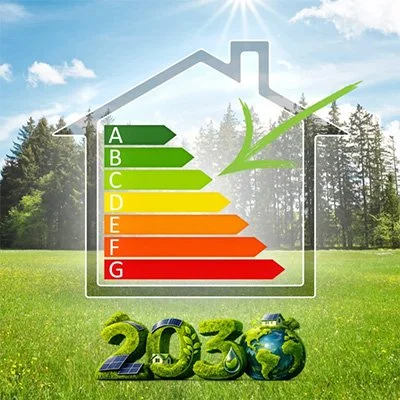
The real estate sector is entering a decisive decade. Between now and 2030, property owners will face increasing pressure from regulation, investors, occupiers and financial institutions to demonstrate credible progress toward sustainability and net-zero goals.
While timelines and policies continue to evolve, the direction of travel is already clear: buildings that fail to improve performance risk becoming less attractive, more expensive to operate, and potentially stranded in an increasingly ESG-driven market.
The question for many owners is no longer whether action is required, but what needs to be done now to remain competitive by 2030.
1. Understand the Direction of Regulation and Reporting
Across the UK and wider European market, sustainability regulation is becoming more structured and demanding.
Property owners are increasingly expected to disclose:
Energy performance and carbon emissions
Climate-related financial risks
Sustainability strategies and transition plans
Building-level ESG data for reporting frameworks
Frameworks such as the UK’s energy efficiency requirements, alongside corporate reporting regimes like CSRD for European-linked organisations, are driving greater transparency and accountability.
By 2030, it is widely expected that buildings with poor environmental performance will face significant challenges in valuation, leasing and financing.
For property owners, this means one thing: ESG data is no longer optional—it is becoming a core part of asset management.
2. Assess the Performance of Existing Assets
A critical first step is understanding how your current portfolio performs.
Many owners still lack a clear, consistent view of building performance across key sustainability indicators such as:
Energy consumption and intensity
Carbon emissions (operational and embodied)
Water efficiency
Building health and wellbeing performance
Climate resilience and risk exposure
Without this baseline, it becomes difficult to prioritise improvements or demonstrate progress to investors and stakeholders.
Tools such as building audits and sustainability certifications can help create a structured, comparable view of asset performance.
3. Prioritise Energy Efficiency and Carbon Reduction
Energy performance remains one of the most important drivers of both regulatory compliance and operational cost.
Buildings that are inefficient today are likely to face increasing risks, including:
Higher operating costs due to energy price volatility
Stricter regulatory requirements
Reduced attractiveness to ESG-focused tenants
Increased capital expenditure requirements in the future
To prepare for 2030, property owners should prioritise:
Building fabric improvements (insulation, glazing, airtightness)
Efficient heating and cooling systems
Smart energy management technologies
Integration of renewable energy sources where possible
Reducing operational carbon is not only an environmental priority but also a financial resilience strategy.
4. Improve ESG Data and Reporting Capability
One of the biggest shifts in the real estate sector is the growing importance of data.
By 2030, ESG reporting is expected to be fully embedded in investment decision-making and asset valuation. This requires property owners to move beyond ad-hoc reporting towards structured, verifiable data systems.
Key focus areas include:
Consistent data collection across portfolios
Alignment with recognised reporting frameworks
Audit-ready sustainability information
Integration of ESG metrics into asset management systems
Reliable data is becoming just as important as physical building improvements.
5. Future-Proof Assets Through Certification
Green building certification frameworks such as BREEAM are becoming increasingly important tools for demonstrating sustainability performance.
Certifications provide:
Independent verification of building performance
Structured pathways for improvement
Benchmarking against industry standards
Stronger ESG reporting credibility
Enhanced investor and occupier confidence
As ESG expectations continue to rise, certified assets are likely to be better positioned in terms of valuation, liquidity and long-term demand.
For many property owners, certification is no longer just a sustainability milestone—it is becoming a strategic asset management tool.
6. Focus on Climate Resilience and Physical Risk
By 2030, climate risk is expected to play a much larger role in property decision-making.
Buildings will need to be assessed not only on carbon performance but also on their ability to withstand physical climate impacts such as:
Flooding
Heat stress and overheating
Water scarcity
Extreme weather events
Understanding and mitigating these risks will become essential for protecting asset value and ensuring long-term operational continuity.
Resilience planning should therefore be integrated into both new developments and retrofit strategies.
7. Engage Early on Retrofit and Transition Planning
Many of the most impactful improvements required to meet 2030 expectations will involve existing buildings.
Retrofitting is often more cost-effective and lower-carbon than redevelopment, but it requires early planning to avoid disruption and inefficiency.
Owners should consider:
Long-term retrofit strategies
Phased improvement programmes
Alignment with lease cycles and capital planning
Integration of sustainability upgrades into asset lifecycle planning
Early action will typically result in lower costs and better outcomes than reactive compliance-driven upgrades.
Conclusion: The Next Five Years Are Critical
The period leading up to 2030 represents a turning point for the property sector. Sustainability is no longer a separate consideration—it is becoming embedded in valuation, investment, regulation and occupier expectations.
Property owners who take proactive steps now to understand performance, improve efficiency, strengthen ESG data and adopt recognised certification frameworks will be better positioned to protect and enhance asset value.
Those who delay may face increasing regulatory pressure, higher retrofit costs and reduced market competitiveness.
The message is clear: preparing for 2030 is not just about compliance—it is about future-proofing real estate assets in a rapidly changing market.
ClimateAI Support
Looking to prepare your portfolio for 2030 ESG expectations? ClimateAI helps property owners, developers and investors improve building performance, achieve BREEAM certification, and turn sustainability requirements into measurable asset value.